

















Gut-Brain Axis: How Plant-Based Diets Support Brain Health
Your gut and brain are in constant communication, and plant-based nutrition gives your microbiome the fuel it needs to support mood, focus, and long-term brain health.
The connection between the gut and brain is one of the most fascinating breakthroughs in modern health science. Known as the gut-brain axis, this connection works like a communication highway, sending messages back and forth between your digestive system and your brain.
At the center of this system are the trillions of microbes living in your digestive tract, collectively known as the gut microbiome. These microorganisms do more than break down food. They also send signals to your brain that can influence your mood and cognition, which helps explain why junk food leaves you feeling foggy.
Plant-based diets give your microbiome exactly what it needs to thrive. And when your gut thrives, your brain follows. In this blog, we’ll explore how the gut-brain connection works, why plant-based nutrition is such a powerful tool for brain health, and which foods to eat (or avoid) to support your gut microbiome.
What Is the Gut-Brain Axis?
The gut-brain axis is the bidirectional communication system that links your digestive system with your central nervous system. Instead of a single pathway, it’s a network that sends signals through nerves, hormones, and immune channels, creating a continuous feedback loop. This ongoing exchange helps regulate your emotional health, stress responses, memory, and even how well you process and retain information.
How well this communication works depends largely on the state of your gut microbiome. In other words, the microbes in your gut help decide what signals your brain receives. They do this by breaking down fibers your body can’t handle, generating compounds that act on neurotransmitters, and helping to control inflammation.
Scientists are still piecing together the details of this system, but one thing is clear: the health of your gut microbiome plays a powerful role in how your brain works and how you feel.
How Gut Health Affects Brain Health
Research shows that when your microbiome is balanced, it supports cognitive function and emotional stability. But when it’s out of balance, it can disrupt brain signaling, leading to stress, mood changes, or even brain fog. Scientists explain these outcomes through several key pathways that link the gut and the brain.
Neurotransmitters
Many of the brain’s chemical messengers originate in the gut. Serotonin (a.k.a. the feel-good hormone) is primarily produced in the gut. At the same time, dopamine and GABA are also regulated by microbial activity. These neurotransmitters influence motivation, focus, and emotional balance. When your microbiome is healthy, it helps maintain steady neurotransmitter production. An imbalanced microbiome can interfere with neurotransmitter production, potentially contributing to stress, low mood, and poor concentration.
Inflammation
Inflammation, closely linked to brain health, is significantly influenced by the gut microbiome. Helpful gut microbes produce short-chain fatty acids and other compounds that help combat inflammation, protect brain cells, and support cognitive function. However, when your microbiome is out of balance, pro-inflammatory signals can increase, disrupting memory, mood, and long-term brain health.
Stress Response
Your gut also plays a crucial role in regulating how your body handles stress. Through the gut-brain axis, the microbiome interacts with the hypothalamic-pituitary-adrenal (HPA) axis to impact cortisol production. When your microbiome is balanced, it helps maintain steady cortisol levels, supporting emotional stability. When it is disrupted, your body's stress responses can intensify, often leading to anxiety, irritability, and mental fatigue.
Together, these pathways show why the gut-brain axis is so important for mental wellness. A healthy microbiome doesn’t just support digestion. It directly impacts your emotional state, memory, and overall cognitive function.
The Plant-Based Advantage for Gut-Brain Health Connection
The health of your gut microbiome depends heavily on what you eat. Diet is one of the most powerful tools for shaping microbial diversity, and research shows that plant-based nutrition offers unique benefits for the gut-brain health connection. Rich in fiber, polyphenols, and natural prebiotics, plant-based foods fuel beneficial microbes, strengthening communication along the gut-brain axis and supporting mental well-being.
Eating patterns such as the Mediterranean diet, naturally rich in fruits, vegetables, legumes, whole grains, and healthy fats, have also been shown to promote microbial diversity. Studies link the MIND diet to reduced inflammation, improved cognitive performance, and long-term brain health.
Fiber
Fiber is especially important for a healthy microbiome. Because your body can’t digest it on its own, fiber becomes food for beneficial microbes in your colon. As microbes break it down, they produce short-chain fatty acids, compounds that reduce inflammation and support neurotransmitter activity. Diets high in plant fiber are consistently linked to improved emotional regulation, reduced stress, and enhanced cognitive performance.
Polyphenols
Polyphenols are plant compounds found in foods like berries, green tea, and dark chocolate. They act as antioxidants, protecting brain cells from oxidative stress, while also helping beneficial gut bacteria flourish. By reducing inflammation and supporting cellular health, polyphenols provide a double benefit for both gut health and brain function.
Fermented Foods
Fermented foods like kimchi, sauerkraut, miso, and tempeh can be great additions to a gut-friendly diet. When eaten raw or minimally processed, many of them provide live microbes that add diversity to your gut. A more diverse microbiome is better able to support steady neurotransmitter production, ease stress responses, and support long-term brain health.
Foods To Limit
Just as plant-based foods can strengthen the gut-brain connection, some eating habits can weaken it. Diets high in refined grains, processed foods, and added sugars lower microbial diversity and drive inflammation. Over time, these changes may show up as low mood, brain fog, or difficulty concentrating.
The “Super Six” Foods for Gut and Brain Health
If you’re looking for simple ways to support your gut-brain axis, certain foods stand out for their proven benefits. Here are six to keep on your plate regularly:
-
Leafy Greens: A rich source of prebiotic fiber and folate, they support microbial diversity and long-term brain health.
-
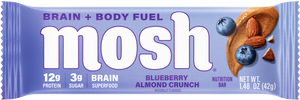
Blueberries: Packed with polyphenols and antioxidants that help protect brain cells while feeding beneficial gut bacteria.,
-
Whole Grains: Provide prebiotic fibers that help strengthen the gut microbiome.
-
Legumes: Rich in fiber and plant protein, legumes help keep blood sugar stable and nourish beneficial microbes.,
-
Fermented Vegetables: Foods like kimchi and sauerkraut can add beneficial microbes to your gut.24
-
Nuts and Seeds: Provide healthy fats, fiber, and polyphenols that help reduce inflammation and support cognitive function.
Your gut and brain are closely connected, and the foods you choose influence that relationship. A plant-based, nutrient-rich diet supports microbial diversity, which in turn supports your emotional well-being, cognition, and long-term brain health.
Want to learn more about how nutrition fuels your mind? Read our article on the Brain-Boosting Benefits of a Balanced Diet here.
This article was written by an employee of Kyowa Hakko Bio Co., LTD, the company that owns the patent for Cognizin® Citicoline and supplies this ingredient to MOSH. The opinions expressed in this article are their own and are intended to provide valuable information to our readers.
This disclosure ensures transparency about the author’s relationship with Kyowa and the potential bias that could influence the content. It allows readers to make informed decisions while maintaining the integrity and trustworthiness of the MOSH blog.