






Few things in life are as intimidating as taking a test. Test anxiety is up there with other common fears such as public speaking, heights, spiders, blood, snakes, and clowns.
It might be even more common than these fears, as experts estimate that 40 to 60 percent of students have test anxiety that is severe enough to interfere with their performance.
The key to overcoming test anxiety is to prepare adequately. Studying for the test is the best way to improve your overall odds of passing.
But that’s not the only way that you can be better prepared. You can also improve your brain function by fueling your brain with essential nutrients, physical exercise, mental stimulation, and adequate sleep.
The 20 Best Foods To Fuel Your Brain Power
You’ve probably heard that breakfast is the most important meal. Breakfast is when you get the chance to replenish your blood sugar levels that decrease overnight.
Restoring your glucose through healthy eating to optimal levels can help support your energy and alertness. Before taking your test, wake up early enough to enjoy healthy food for a hearty breakfast.
Several different diets out there aim to supportyour overall brain health. Each of these diets strongly emphasizes foods that contain specific vitamins and minerals. Here is a list of 20 foods commonly found on these diets that can help fuel your brain before your big test:
1. Acai Berries
Acai berries grow on the acai palm tree native to Central and South America. The primary benefit of acai berries is that they contain a very high level of anthocyanins.
These powerful polyphenols have shown several antioxidants, anti-inflammatory, and neuroprotective effects in mice. You can find acai berries frozen or dried fruit.
2. Almonds
Almonds are the most consumed tree nut in the world and have various health benefits. The nut is chock full of vitamin E, which can support alertness and memory, and fatty acids that can help support intellectual capacity and healthy acetylcholine levels in the brain.
That’s not even mentioning all the essential nutrients in almonds, such as folate, polyphenols, tocopherol, and unsaturated fats.
3. Apples
Apples have a solid reputation as being able to help keep the doctor away, but they can also help keep bad grades away. The reason is that apples contain an abundance of flavonol called quercetin.
This compound appears to promote neurogenesis, which could help to produce and protect brain neurons. Increasing your brain neurons' number and overall health is an excellent way to boost your learning and memory capabilities.
4. Avocados
Avocados are an excellent source of monounsaturated fat and carotenoid lutein. Monounsaturated fats can help reduce elevated blood pressure strongly linked to cognitive decline. Lutein contains several antioxidant and neuroprotective properties that might improve mental and eye function.
5. Bananas
Bananas have an incredibly high concentration of potassium and magnesium. Each of these essential nutrients has been shown to boost energy and focus levels in the brain.
In addition, bananas contain vitamin B6, which promotes dopamine, serotonin, and norepinephrine production. Combining these three nutrients can help you concentrate more effectively during your exam.
6. Beans
Beans contain many essential nutrients, including complex carbohydrates, vitamins, minerals, antioxidants, fiber, and protein. Each of these nutrients is highly beneficial to your overall health as well as your brain health.
But the high folate concentration makes beans and legumes a special brain food. Folate plays a crucial role in several essential brain functions, including DNA/RNA creation and neurotransmitter formation, while helping to combat mental fatigue, depression, and irritability.
7. Beets
Beets aren’t as popular as some other items on this list. However, beets are a superfood packed with antioxidants and nitrates. There aren’t many foods as rich in nitrates as beets!
Nitrates are converted into nitric oxide, which improves blood flow and regulates blood pressure. These improvements to your blood flow can help keep your brain adequately supplied with the oxygen and essential nutrients needed to function properly.
8. Blueberries
Blueberries are easily one of the strongest superfoods in the world. Despite their small size, blueberries are an extremely potent source of antioxidants. These antioxidants can help balance free radicals in the body, preventing oxidative stress from occurring in the brain.
Whole blueberries are also an excellent source of anthocyanins which can help to supportneuronal signaling and glucose disposal.Add this fresh fruit to your breakfast for a smooth test-taking experience.
9. Broccoli
Broccoli is seemingly the bane of every child’s existence, and it’s often impossible to get them to finish their serving. That’s unfortunate as broccoli is loaded with fiber, vitamin C, flavonoids, vitamin K, and choline.
Each of these antioxidants is highly beneficial for the brain, but what separates broccoli even further is that it contains glucosinolates. The body breaks down these compounds and converts them into isothiocyanates.
Isothiocyanates can prevent oxidative stress and neural toxicity that can damage your brain cells. So add this crunchy vegetable to your menu for a boost.
10. Coffee
Nothing can help wake you up faster than drinking a cup of coffee in the morning. The caffeine in coffee has a profound effect on your brain. The main benefit is that caffeine stimulates your central nervous system, which can help increase your alertness, concentration, and mood.
In addition, caffeine helps to block adenosine, which is an inhibitory neurotransmitter that makes you feel tired and sleepy. Having a nice cup of joe to go with your hearty breakfast can help you to hit the ground running on test day.
And if given the option, always choose black coffee over a sugary energy drink. And don’t drink coffee the night before—you’ll need your sleep!
11. Dark Chocolate
Dark chocolate contains a lot of health benefits that you won’t be able to find in milk chocolate or white chocolate. You'll get an extreme concentration of flavonols if you eat a dark chocolate bar made from at least 70 percent cocoa.
Flavonols boast strong antioxidant and naturally soothing qualities that benefit brain health. One flavonol, epicatechin, was found to be very beneficial in supporting memory and processing skills.
12. Eggs
Eggs are one of the most nutritious foods you can eat as they are packed with protein, vitamins, minerals, “healthy” fats, and trace nutrients. They make this list because of their high concentration of choline.
Choline plays a very important role because of its positive impact on acetylcholine and dopaminergic function. These neurotransmitters play crucial roles in regulating memory, mood, and overall intelligence.
13. Fatty Fish
Fatty fish such as salmon, mackerel, herring, anchovies, and oysters have some of the highest natural concentrations of omega-3 fatty acids. These essential fats can help to provide oxygen to the brain by supporting healthy triglyceride levels and normal blood circulation. As a result, omega-3 can be a great resource for overall brain wellness!
14. Green Tea
Green tea includes polyphenols. The high concentration of these polyphenols gives green tea its notoriously bitter taste.
Ingesting the polyphenols in green tea can help to reduce anxiety, boost your attention span, and improve working memory. There might not be a more perfect blend of attributes for anyone facing an important test.
15. Leafy Greens
The healthiest foods you can eat are dark, leafy greens such as spinach, kale, collards, and arugula. These highly nutritious vegetables contain lutein, folate, iron, calcium, vitamin E, and phylloquinone.
Leafy greens are also an excellent source of vitamin K, which appears to have anti-inflammatory effects on the brain that can help improve spatial memory and learning ability.
16. Oatmeal
Eating foods high in simple sugars can give you an intense rush of energy but will inevitably lead to a colossal crash around mid-morning. On the other hand, complex carbohydrates such as oatmeal provide a slower and more gradual release of energy throughout the day.
Oatmeal can provide your brain with sustained energy levels that should last long enough to carry you through the entirety of your test.
17. Pumpkin Seeds
Pumpkin seeds, or pepitas as they’re sometimes known, are an excellent source of omega-3 and other powerful antioxidants. However, they appear on this list due to their high iron, magnesium, copper, and zinc concentration.
Each of these nutrients provides different benefits to the brain. Iron helps transport oxygen to your brain and synthesize neurotransmitters. Magnesium helps relay signals between your body and brain.
Copper helps supply energy to the brain and plays a role in defending the brain. Zinc has several anti-inflammatory effects on the brain and provides neuroprotective abilities. Pumpkin seeds make for a healthy snack while studying.
18. Sage
Sage is an earthy and savory herb that can provide a healthy kick to heavy and robust dishes. Sage leaves have phenolic acids and flavonoids, which contain powerful antioxidant properties.
Sage also appears to help prevent the breakdown of acetylcholine in your brain. Acetylcholine is a chemical messenger that plays a crucial role in your memory.
19. Walnuts
Walnuts are rich in several different nutrients linked to positive brain health. Each walnut has about 20 percent protein and 65 percent omega-3 fats. These nutrients can provide health benefits for the brain and central nervous system.
In addition, walnuts are an excellent source of vitamins E and B6. Vitamin E is an antioxidant that can help fight free radical damage in the brain, while vitamin B6 increases the production of multiple neurotransmitters.
20. Water
Water is essential to sustaining life and is important to your overall brain function. The brain is about 73 percent water, so you can imagine how important it is to maintain hydration!
Water can help your brain cells communicate with each other, clear out any toxins or waste that accumulate in your brain, and transport essential nutrients to your brain. So you must drink plenty of water before and during your test.
Support Your Brain With a Well-Balanced, Healthy Breakfast
The breakfast that you eat is that last opportunity that you have to prepare yourself for test taking. Eating a cereal that consists mostly of sugar or some other quick processed snack is just as bad as skipping breakfast altogether. For best results, you should eat some of the foods listed above to give your brain the fuel it needs, or find a whole-grain cereal or muesli (granola) if you must.
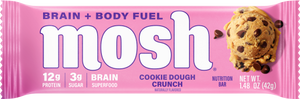
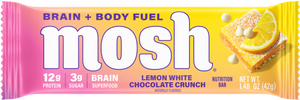
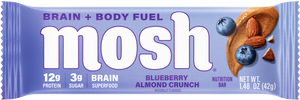
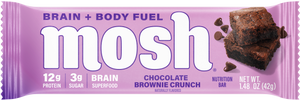
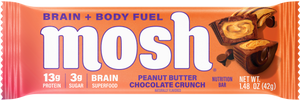
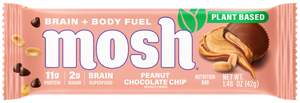
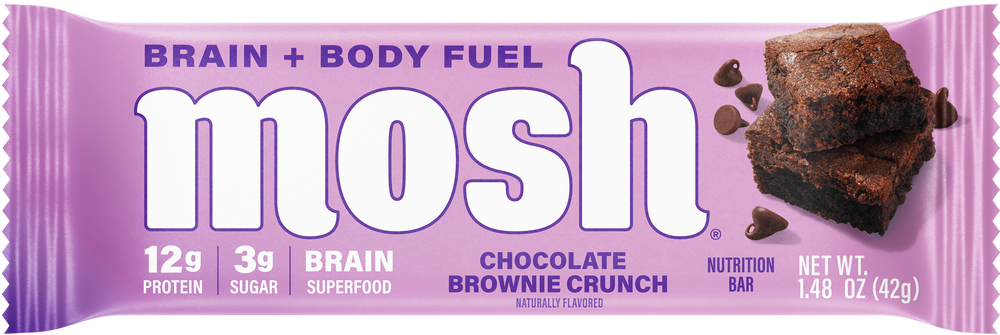
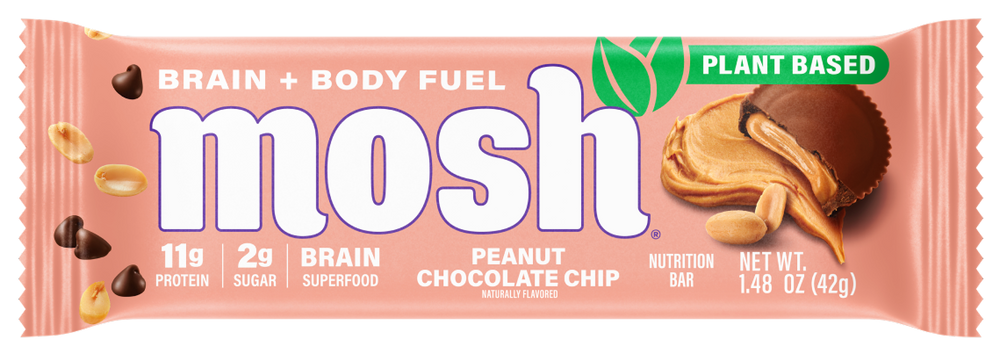
On the other hand, you could just opt for a MOSH protein bar and save yourself some time if you’re on the go! Each MOSH protein bar is specifically formulated to support brain health thanks to mind-blowing ingredients picked to fuel your brain.
Before you take the big test, ace the morning quiz by choosing foods to fuel your biggest asset!
Sources:
The Water in You: Water and the Human Body | US Geological Survey
Salvia (Sage): A Review of its Potential Cognitive-Enhancing and Protective Effects | PMC
Pumpkin (Cucurbita maxima) Seeds Protect Against Formaldehyde-induced Major Organ Damages | PMC
Physiology, Carbohydrates | NCBI Bookshelf
Nutrients and Bioactives in Green Leafy Vegetables and Cognitive Decline | PMC
Green Tea Effects on Cognition, Mood and Human Brain Function: A Systematic Review | PUBMED
Choline - Nutrition and Traumatic Brain Injury | NCBI Bookshelf
The Impact of Epicatechin on Human Cognition: The Role of Cerebral Blood Flow | PMC
Effects of Coffee/Caffeine on Brain Health and Disease: What Should I Tell my Patients? | PUBMED
Blueberry Supplementation Improves Memory in Older Adults | PMC
Emerging Roles for Folate and Related B-vitamins in Brain Health Across the Lifecycle | PUBMED
Vitamin B6 | Health Professional Fact Sheet
High Blood Pressure is Linked to Cognitive Decline | National Institute on Aging
Apple Peel and Flesh Contain Pro-neurogenic Compounds | Stem Cell Reports
Health Benefits Related to Tree Nut Consumption and Their Bioactive Compounds | PMC
Breakfast | Better Health Channel
A Student's Perspective on Test Anxiety | UCLA Psychology Department