





In many ways, the human brain operates like a computer. Both use electrical signals to transmit information, perform multiple complex tasks simultaneously, and require constant energy to function properly.
The evolution of computers has dramatically increased their storage capacities. However, they don’t hold a candle to a human brain's virtually unlimited memory storage. There are roughly 86 billion neurons in the human brain that are capable of forming up to one quadrillion connections.
Unfortunately, these neurons shrink and retract their dendrites as you age. As a result, the number of connections in your brain decreases, harming overall memory and cognition.
The good news is that there are a few things that you can do to limit these effects. Physical exercise, mental stimulation, stress relief, and sufficient sleep can all help you to stay sharp. However, your diet is arguably more important than any other factor.
The 13 Best Foods For Fighting Memory Loss
The maximum memory capacity for a human brain is estimated to be about 2.5 petabytes of information. A petabyte is equal to one million gigabytes. For computers, one gigabyte can store about 678,000 pages of text.
If a computer had the same storage as the human brain, it could store roughly 1.7 trillion pages of text. That’s enough storage space to host the entire collection of books in the Library of Congress 250 times.
Here is a list of 13 different foods that can help you to maintain the maximum mental storage possible for your brain:
Avocados
In the world of nutrition, there are two different types of fat: saturated and unsaturated. Saturated fats are those that can be harmful to your health. Unsaturated fats are the healthy kind of fat that supports positive brain function.
Avocados are loaded with monounsaturated and polyunsaturated fats, which can help support healthy cholesterol levels, increase neurotransmitter production, and regulate brain neuron function.
Beans
Legumes such as beans and lentils are packed with fiber, B vitamins, and omega fatty acids. Since we’ll cover the other two nutrients in other sections, let’s focus on how beneficial fiber is for the brain.
The exact reason remains unclear, but health experts believe that the benefits of fiber for brain health are due to its ability to help to maintain consistent blood flow to the brain and how it can support good bacteria in the gut.
Beets
The brain uses about 20 percent of the total oxygen supply in your body each minute. Oxygen is transported to the brain via blood. Therefore, anything good for your blood pressure is generally good for your brain.
Beets are one of the best foods for your blood pressure because of their high concentration of nitrates. Nitrates are highly effective at dilating your blood vessels, making it easier for blood to pass through them.
Blueberries
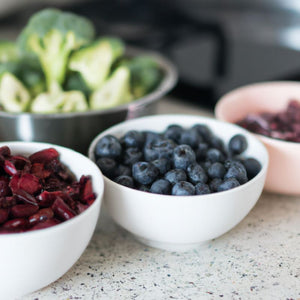
Regarding brain benefits, blueberries might be the single most beneficial food you can eat. Blueberries have high levels of antioxidants, including anthocyanins, proanthocyanidins, and other flavonoids.
Flavonoids refer to over 8,000 compounds that occur in most fruits and vegetables. You can also find them in plant-based products such as tea, coffee, wine, and dark chocolate. These compounds play an essential role in shielding the brain from the effects of oxidative stress over time.
Broccoli
Broccoli, kale, cauliflower, and Brussels sprouts are four different foods. However, they all come from the same plant species known as Brassica oleracea. As such, they have extremely similar nutritional value. These foods make the list because of their high concentration of vitamin K.
Broccoli is an especially strong source of this essential vitamin that the body uses to create sphingolipids. These fats can be densely packed into brain cells and are crucial for maintaining myelin stability.
Myelin is an insulating sheath that helps protect the brain and spinal cord but also allows for electrical impulses to be transmitted between neurons. Weak or damaged myelin can cause these impulses to slow down dramatically.
Coffee
For most Americans, the number one priority in the morning is to make and consume coffee. The heavy caffeine concentration inside a cup of coffee can have several benefits for the brain. Caffeine can help you feel more alert, reduce the effects of being tired, and support the release of dopamine, which can all help to boost your memory abilities.
Also, coffee is a potent source of antioxidants, with more than 1,000 being identified in unprocessed coffee beans. That’s way more than other natural sources of caffeine, such as black tea, green tea, and cacao.
Eggs
Eggs are considered a superfood as they are full of essential nutrients. For the brain, eggs are especially beneficial as they contain many B vitamins and folate. However, what makes eggs an important brain food is their unmatched choline levels.
The body uses choline to create acetylcholine, a crucial neurotransmitter. Acetylcholine directly impacts your ability to create and manage memories. It’s also heavily involved with motivation, arousal, attention span, and general cognitive function.
Fatty Fish
The Mediterranean Diet is heavily regarded as being one of the most beneficial diets for your brain. One of the main reasons for this status is the heavy emphasis on eating fatty fish. Fatty fish is universally considered the best source of brain-healthy fats in the natural world.
Salmon is a popular option for healthy fats (especially with its popularity in American sushi), but cod, sardines, herring, mackerel, and tuna are also excellent sources.
Grapes
The reason that grapes make this list is that they’re an incredibly potent source of resveratrol. Resveratrol is one of the most effective methods for memory retention that declines due to brain aging.
The compound is especially beneficial for improving the neural connectivity between the hippocampus (one of memory's primary storage units) and the frontal, parietal, and occipital regions. Grapes are such a good source of resveratrol that wine is also considered beneficial for brain health and memory retention.
Just be sure to limit the servings of your favorite wine to no more than two drinks in a day.
Leafy Greens
Spinach, kale, lettuce, collard greens, and bok choy are generally considered to be some of the most nutrient-dense foods in the natural world. The list of health benefits these dark, leafy green veggies provide is too long to feature here. Instead, we’re going to focus on their high concentration of folate.
Vitamin B9, more commonly known as folate, is ripe with anti-inflammatory properties that help reduce homocysteine, improve gene expression, and rebalance the markers of the brain. It’s believed that the benefits could help lower the risk of developing Alzheimer's as they appear to limit the formation of beta-amyloid plaque in the brain.
Nuts
Nuts are packed with many important vitamins and minerals despite their small size. Nuts are typically a very solid source of antioxidants and omega-3 fatty acids. But nuts are included on this list because they provide a significant supply of vitamin E.
There are no known cures for Alzheimer’s disease or other age-related cognitive issues. However, there appears to be some evidence that vitamin E could greatly help to reduce oxidative stress in the brain. Therefore, it’s currently being studied as a potential treatment option for individuals with mild to moderate cases of memory-damaging disorders.
Olive Oil
Another key component of the Mediterranean Diet is olive oil. Extra virgin olive oil is one of the best natural sources of polyphenols. These extremely powerful antioxidants have been shown to limit and even reverse the effects of disease-related memory issues.
Olive oil is also beneficial for your cardiovascular system. Half a tablespoon of olive oil daily is all it takes to lower the risk of developing heart disease.
Watermelon
Roughly 92 percent of a watermelon is water which is why it’s such a well-loved treat during the summer. The brain requires a lot of water to function properly. Eating watermelon is an easy way to ensure your brain has the water it needs to keep functioning well.
However, watermelon is included here because they contain high levels of lycopene. Lycopene is the chemical substance that gives watermelon its signature red color. It’s also why tomatoes, bell peppers, peaches, and cranberries have their colors.
Lycopene is exceptional at reducing oxidative stress in the brain, suppressing cytokine production (a highly inflammatory compound), and limiting the buildup of amyloid plaques. Each of these benefits is highly beneficial for protecting cognitive function.
Tighten Up Your Diet To Shore Up Your Memory
The benefits of eating healthy can’t be overstated. The risks of developing cancer, diabetes, high blood pressure, and heart disease can be significantly lowered by switching to a healthier diet.
An improved diet can also help to boost your memory. Eating more of the foods above can support positive brain health and minimize the effects of age-related cognitive decline.
While you’re at it, you can also make a few lifestyle changes to support your cognitive function. Alcohol, cigarettes, late-night snacking, insufficient sleep, and blue light/EMF exposure can all negatively impact your memory.
The sooner you start taking steps to improve your brain health, the more beneficial it will be for your brain.
Sources:
Lycopene and cognitive function | PMC
Flavonoids as antioxidants | PMC
The wonders of watermelon | Mayo Clinic Health System
Olive oil may lower heart disease risk | heart.org
Extra virgin olive oil improves learning and memory in SAMP8 mice | NCBI Bookshelf
Nutrients and bioactives in green leafy vegetables and cognitive decline | PMC
Resveratrol and cognitive decline: a clinician perspective | PMC
Omega-3 and dementia | Alzheimer's Society
Cholinergic modulation of the hippocampal region and memory function | PMC
Sphingolipids: membrane microdomains in brain development, function and neurological diseases | PMC
Brassicas | New York Botanical Garden
Significance of Brain Tissue Oxygenation and the Arachidonic Acid Cascade in Stroke | PMC
A high-fiber diet may reduce the risk of dementia | Harvard Health