








Protein is one of three important macronutrients your body needs to thrive. And while you can get it naturally from meats, dairy products, nuts, and vegetables, most Americans surprisingly don’t get enough. Anywhere from 10 to 35 percent of calories should come from protein, which ends up being about 0.8 to one gram per kilogram of body weight (i.e. 0.36 grams per pound of body weight).
So, where can you get some extra protein? Protein bars and protein shakes are a great way to get your grams in, but with so many different types of protein out there, it can be hard to know which one is worth giving a shot.
Whey protein is one of the most common, and you’ll typically see the option to get grass-fed whey or regular whey protein. What in the world is whey protein, and what’s the difference between these two types? Here’s everything you need to know.
What Is Whey?
Remember how we said dairy products are super high in protein? Whey protein is one of the primary proteins found in dairy products. It’s a byproduct of the cheese-making process, so in other words, it’s what’s left over after making cheese.
It’s commonly taken as a powder to support athletic performance and muscle formation, but it can also be taken as a supplement or even just as a part of a nutritious snack.
Whey protein has a higher biological value compared to plant proteins. This means it contains all nine essential amino acid profiles that the body needs. It also contains branched-chain amino acids (BCAAs), which are important for muscle protein synthesis.
This isn’t to say plant protein is bad. However, if your goal is to support your body in building muscle and your athletic performance, taking whey protein supplements from conventional dairy might be more beneficial than using plant-based proteins, which you’ll need a varied blend of in order to get all essential amino acids.
Similarly, dairy products contain conjugated linoleic acid (CLA), which can support the body’s immune system and metabolic function. While CLA can also be synthesized using safflower oil, dairy has it naturally.
What Is Grass-Fed Whey?
So we know that whey protein is pretty great, but does it matter what kind of whey you use? If you ever eat something that’s grass-fed, whether it be protein, meat, or dairy, it means that the dairy cow’s diet consists of plants.
This plant diet includes grasses, shrubs, leaves, and anything else in the pasture before the cow was milked, rather than corn from a feedlot.
But why does it matter if a cow eats grass before being milked? The major difference is the fat content.
Grass-fed milk contains higher levels of omega-3 fatty acids, which are considered a “healthy” type of fat. Not to mention, grass-fed fat contains more vitamins compared to grain-fed cows.
Which Type of Protein Is Better?
The main difference between grass-fed beef and grain-fed “regular” beef is the fat content. While it might seem like a no-brainer to put grass-fed proteins on top, it’s not such a clear distinction.
To make whey protein powder, you need to remove the fat. So, it doesn’t matter where the protein comes from because it won’t have fat content anyway.
So if you’re only looking at the physiological health benefits, neither one is necessarily “better” than the other. Grass-fed whey protein powder doesn't have a higher amount of amino acids than grain-fed whey protein because the fat is removed in its creation.
With that said, grass-fed cows often receive better treatment than grain-fed cows. This is a valid concern, so grass-fed dairy can be beneficial by comparison if you’re considering the environmental benefits of grass-fed whey versus conventional whey protein. If you have a choice between the two, go with grass-fed to consider your carbon footprint.
Whey vs. Plant Protein
Since whey comes from dairy products, vegans don’t use whey protein supplements for athletic performance. The good news is plant proteins are reliable sources of supplemental protein that can also work well when used properly.
Both whey and plant proteins typically contain the same amount of protein per serving, around 20-30 grams. But the main difference goes back to those BCAAs and amino acids.
Whey proteins have complete amino acids with all the building blocks your body needs. On the other hand, each plant protein often contains fewer BCAAs and only some amino acids — only soy protein is considered complete with all nine essential amino acids.
Many manufacturers combine multiple types of plant protein into one product to give you a complete source. Generally, “whey” or “vegan” isn’t better than the other, but if you’re avoiding animal products (i.e. if you are casein-free, lactose-free, or vegan), you’ll probably want to stay away from whey.
Is Whey Protein Safe?
Whey protein appears to be safe when taken at recommended amounts. There isn’t much research indicating the effects of having too much protein in the body. While some researchers hypothesize that excess protein is stored as body fat, you’d probably need to consume much more protein than you naturally would for this to happen.
However, since protein powders contain other chemicals, ingredients, carbs, and sweeteners, it’s worth treading cautiously before kicking off with seven protein shakes a day. Whey products often have added sugars to improve the taste, so look at the nutrition label to ensure you’re not passing the daily recommended value of sugar with just a shake or two.
Not to mention, many protein powders are also high in saturated fats, potentially raising cholesterol and leading to other abnormal health problems.
However, people have been using quality protein powders for years, and they’re an easy and effective way to get the right amount of protein into your diet, when used accordingly.
Why Is Getting Enough Protein Important?
Protein is one of three macronutrients humans need to survive. Protein aims to build and repair muscles and bones while also helping in the enzyme and hormone production process. Protein can also be an energy source, though your body doesn’t use it for energy as much as it uses fats or carbohydrates.
When you see bodybuilders chugging protein powder shakes, it’s likely because protein is essential for muscle synthesis. When you work out, you’re physically breaking apart your muscles and tearing them down. They’ll then repair themselves, coming back even stronger than before. These are the basics of muscle building.
By getting adequate amounts of protein, you can support the process of muscle synthesis to gain muscle efficiently.
It’s generally recommended to consume about 0.36 grams of protein per pound of body weight for general health, but if you’re trying to gain muscle mass, you may want to get as much as 0.5 to 0.8 grams of protein per pound.
Easy “Wheys” To Boost Your Protein Intake
It can be challenging to hit your daily protein intake goal. The good news is that there are some easy and accessible ways to boost your intake without changing up your daily routine.
Include a Protein Source with Every Meal
During each meal of the day, you should have a goal to incorporate protein in all of them. For lunch and dinner, it’s easy to use lean meats like chicken, turkey, or fish. But for breakfast, you can throw some eggs onto your avocado toast or select Greek yogurt as an alternative to milk for your cereal bowl.
While meats and dairy tend to have some of the highest protein content compared to vegetarian sources, you can still hit your goals by incorporating nut butter, beans, lentils, tofu, and green vegetables into your diet.
Dare To Eat Dairy
Dairy products are surprisingly high in protein, and these are simple ways to boost your daily consumption. Cottage cheese and greek yogurt are exceptionally high.
Try spreading cottage cheese on a bagel instead of cream cheese, or replace milk with greek yogurt the next time you make some cereal.
Go Nuts
Nuts and legumes are excellent sources of protein and healthy fats. You can add almonds, walnuts, pecans, or peanuts to various dishes to add more flavor, texture, and protein.
We love topping salads and yogurt bowls with some chopped almonds or putting some chopped peanuts into a Thai peanut stir fry. You can even top your favorite desserts with some pecans to sneak in some protein (and deliciousness).
Opt for Protein-Rich Snacks or Supplements
Whey protein supplements are some of the easiest ways to boost your protein intake. Protein powders are super common, and these can be added to smoothies, mixed in with yogurt, or even shaken up on their own to spruce up your post-workout recovery deliciously.
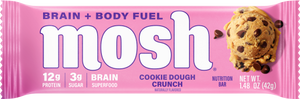
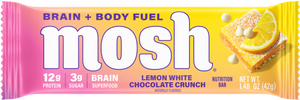
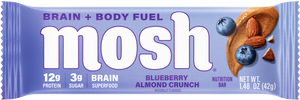
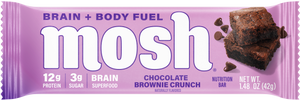
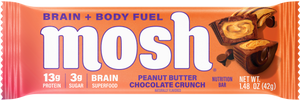
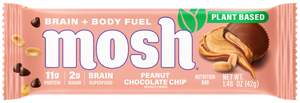
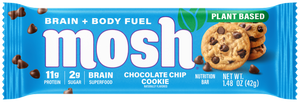
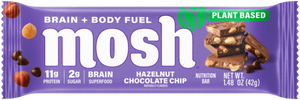
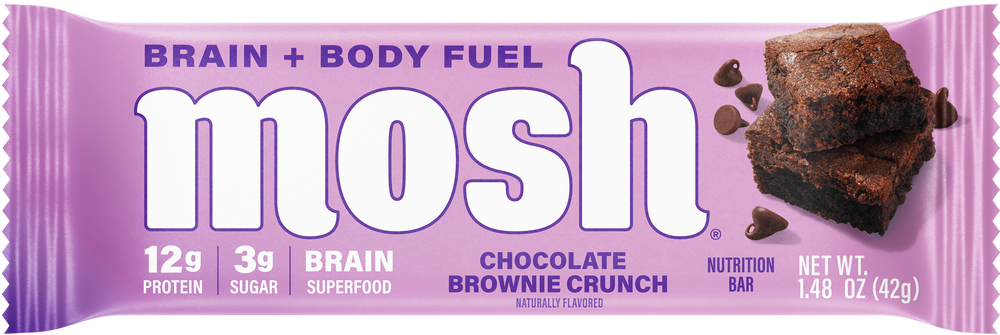
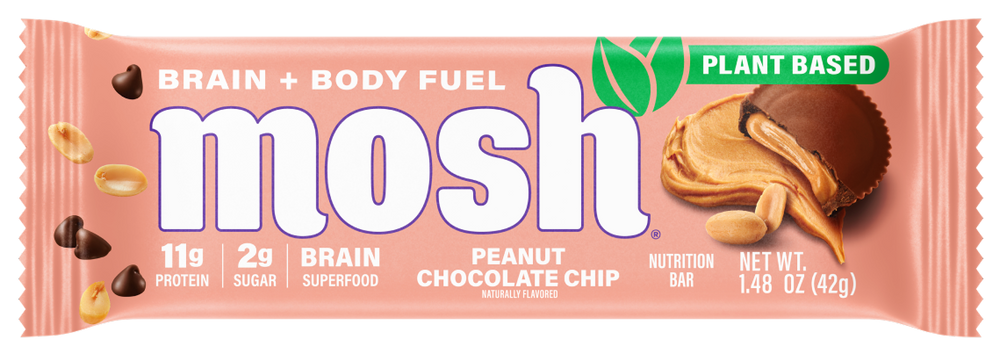
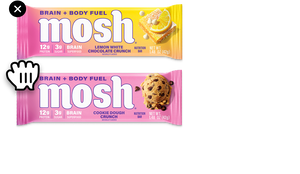
You can also eat protein bars for a more satiating way to get more protein. While some protein bars can have a powdery taste with a chalky texture, MOSH has perfected our recipe for a delicious snack with loads of benefits.
Not only are our protein bars loaded with high-quality grass-fed whey protein, but they also contain ingredients to support brain health. From ashwagandha to lion’s mane, and vitamins including B12 and D3, these bars are made to help crush cravings while rejuvenating your mind, body, and soul.
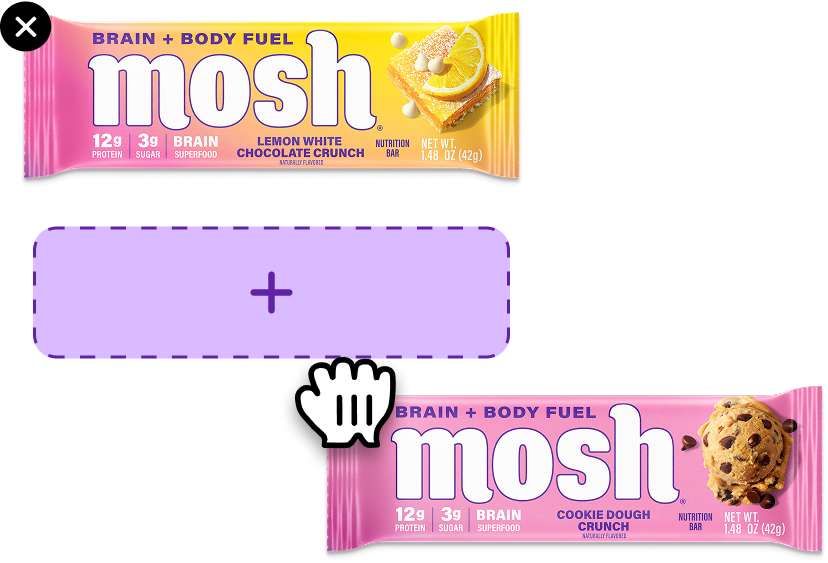
Give our trial pack a go to experience our three original flavors. Or, try out our brand new flavor, Cookie Dough Crunch, to see how good nutrition can really be.
In Conclusion
Whey protein contains all the essential amino acids necessary for muscle development and composition. That’s why it’s one of the most popular supplements for bodybuilders and athletes.
However, different types of whey protein have long been debated as the best. Grass-fed whey and grain-fed whey are the most common two.
While both types of whey go through the same fat removal process and are nearly identical in terms of physiological benefits, the main distinction is that grass-fed whey usually means better treatment for the cows, which we are all for.
You can increase your protein intake by incorporating protein into each meal and using protein-rich supplements or snacks to close the gap.
MOSH bars are delicious protein bars packed with 12g of protein to fuel your body and superfood nutrients to fuel your mind.
The choice is a no-brainer when it comes to finding a protein bar that’s also good for your noggin.
Sources:
Grain-Fed vs Grass-Fed Beef- What’s the Difference? | North Carolina Cooperative Extension
Are you getting too much protein? | Mayo Clinic Health System.