













How the MIND Diet Supports Brain Health Through Plant-Based Nutrition
A simple, science-supported approach to fueling your brain with plant-based foods that support memory and cognitive performance.
With growing interest in brain health and longevity, the MIND Diet has emerged as a promising way to help support cognitive function as you age. Developed by researchers at Rush University Medical Center, this whole-foods, plant-forward approach combines elements from both the Mediterranean and DASH diets to promote brain wellness through nutrition. While not a treatment or cure for cognitive decline, studies suggest that following the MIND Diet may be associated with improved memory, slower cognitive aging, and overall benefits for brain health.
What Is the MIND Diet?
Short for Mediterranean-DASH Intervention for Neurodegenerative Delay, the MIND Diet draws from two well-established eating patterns (the Mediterranean and DASH diets) and places special emphasis on foods scientifically shown to support brain health.
Rather than being overly strict or hard to follow, it encourages simple, sustainable habits. The emphasis is on nutrient-rich, plant-based foods, while limiting ingredients associated with inflammation and oxidative stress.
Introduced in 2015, the MIND Diet was developed using real-world data that linked specific foods, such as leafy greens and berries, with slower rates of cognitive decline. Instead of following trends, it was built around measurable outcomes related to long-term brain health. Originally developed to study brain aging and prevent dementia, the MIND Diet is now recognized for supporting memory, attention, and overall cognitive performance.
Foods To Prioritize for Brain Health
At the heart of the MIND Diet are foods that help protect the brain from inflammation and oxidative stress. Support brain health by regularly including the following in your diet:
-
Leafy greens (e.g., spinach, kale)
-
Other vegetables
-
Berries (especially blueberries)
-
Nuts
-
Olive oil
-
Whole grains
-
Fish (particularly fatty fish like salmon)
-
Beans and legumes
-
Poultry
Foods To Limit
Equally important is limiting foods that may contribute to cognitive decline. Reduce your consumption of these foods when possible:
-
Red and processed meats
-
Butter and stick margarine
-
Full-fat cheese
-
Pastries, sweets, and refined sugar
-
Fried or fast foods
Following these guidelines (even moderately) has been associated with slower cognitive aging and better memory performance over time.
How the MIND Diet Supports Brain Health
The MIND Diet isn’t just about eating more vegetables; it’s about fueling your brain with the right nutrients to help it function at its best. Many of the foods prioritized in this approach are rich in brain-supporting compounds, including polyphenols, antioxidants, B vitamins, vitamin E, and omega-3 fatty acids.
These nutrients work together to help reduce oxidative stress, calm inflammation in the brain, and support your brain’s ability to form new neural connections. They also encourage healthy blood flow, making it easier for your brain to get the oxygen and nutrients it needs., Over time, these effects may help protect the hippocampus, the part of the brain responsible for memory.
What the Research Shows
Clinical studies have shown that individuals who closely follow the MIND Diet experience slower rates of cognitive decline, even when other risk factors, like age or genetics, are present.1, MRI studies published in Nutritional Neuroscience have also revealed structural brain changes in regions associated with memory and learning, including the hippocampus and prefrontal cortex, among those who follow the diet consistently.
Additionally, the MIND Diet has been linked to improved verbal recall, enhanced attention and working memory, and a slower progression of brain aging, particularly in older adults. These cognitive benefits are believed to stem from the diet’s ability to reduce inflammation, improve blood flow, and support the long-term health of neurons.
A Brain-Friendly, Whole Foods Approach
The MIND Diet stands out because it supports long-term brain health through sustainable, whole-food choices. It emphasizes ten brain-healthy food groups, including leafy greens, berries, nuts, beans, whole grains, fish, poultry, and olive oil. These foods are naturally rich in antioxidants, fiber, and healthy fats that nourish both the brain and body.
These brain-nourishing foods also support other systems that influence cognitive health. One key example is the gut-brain axis, a two-way communication pathway between your digestive tract and your brain. A diet high in fiber helps feed beneficial gut bacteria, which produce metabolites like short-chain fatty acids (SCFAs) that contribute to mood regulation, focus, and the management of inflammation.
The MIND Diet also works well for real life. You don’t need to overhaul your entire lifestyle to benefit. Small, consistent changes such as starting your day with a nutrient-rich smoothie, snacking on walnuts, or choosing more whole foods can add up to meaningful support for brain health.
Going Beyond Diet: Where Targeted Nutrients Fit In
While the MIND Diet provides many of the nutrients linked to brain health, others, such as citicoline, are more challenging to obtain through food alone. That’s why some people turn to targeted nutrients and functional snacks to complement their routine and support focus, memory, and mental energy.
One of the most researched ingredients in this space is Cognizin®, a clinically studied form of citicoline that helps support brain energy metabolism, attention, and memory in healthy adults. It helps maintain levels of acetylcholine (a key neurotransmitter) and plays a role in protecting the structure of brain cell membranes.
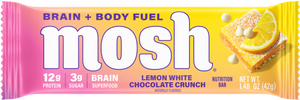
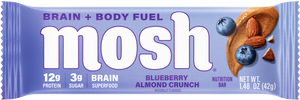
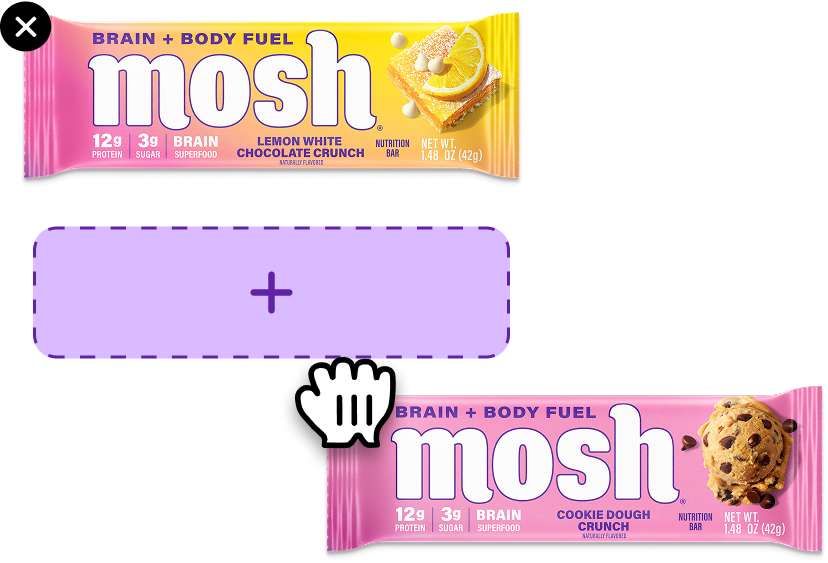
Likewise, protein bars made with brain-friendly ingredients, such as polyphenol-rich nuts, omega-3 fatty acids, or antioxidant compounds, can also be a convenient way to nourish your brain throughout the day. Whether it’s a mid-day recharge or part of your post-workout routine, these smart snacks align with the MIND Diet’s emphasis on long-term brain health.
The Takeaway
Supporting brain health isn’t about getting everything perfect. It’s about showing up with small, consistent choices that make a real difference over time. The MIND Diet offers a flexible, research-backed approach to nourishing your brain with plant-forward foods that support memory, focus, and long-term cognitive wellness.
Whether you're loading up on fiber-rich veggies, adding berries to your breakfast, or grabbing a protein bar with brain-supportive ingredients, it all adds up. Little shifts can help keep your brain strong and resilient for the road ahead.
Build Your Brain-Smart Routine
Brain-friendly habits don’t have to be complicated. From adding leafy greens to your meals to choosing science-backed nutrients, small steps can lead to big benefits.
This article was written by an employee of Kyowa Hakko Bio Co., LTD, the company that owns the patent for Cognizin® Citicoline and supplies this ingredient to MOSH. The opinions expressed in this article are their own and are intended to provide valuable information to our readers.
This disclosure ensures transparency about the author’s relationship with Kyowa and the potential bias that could influence the content. It allows readers to make informed decisions while maintaining the integrity and trustworthiness of the MOSH blog.